
Vinyl vs. Hardwood: What Are the Core Differences?
Vinyl and hardwood floors are very different in how they are made and used at home. Knowing these differences helps pick the right floor for your needs and style.
Material Composition and Structure
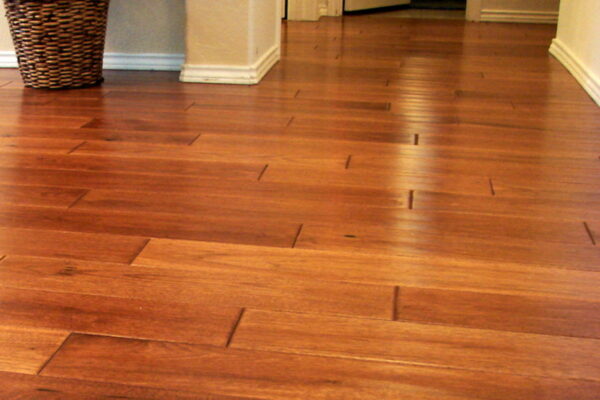
Hardwood floors are crafted from solid or engineered wood, providing a natural and charming look. Vinyl is synthetic, with layers that include a protective top, printed design, and waterproof core. This makes vinyl very durable and water-resistant while imitating wood.
Appearance and Realism
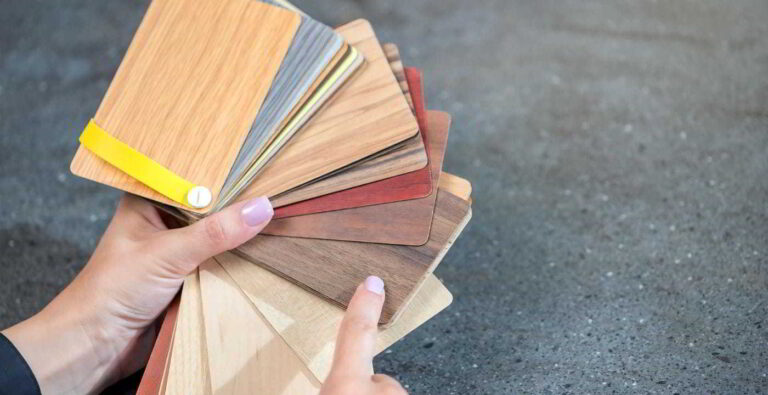
Hardwood is unique, gaining character over time. Vinyl has improved in looks, with designs that mimic wood grain and color. Though it looks real, it doesn’t fully match hardwood’s feel.
Price Point Comparison
Vinyl is cheaper to buy and install, making it a stylish and budget-friendly option. Hardwood costs more but adds value and elegance to your home. It’s a long-term investment but requires more maintenance.
Vinyl vs. Hardwood: Quick Comparison Chart
| Feature | Vinyl Flooring | Hardwood Flooring |
|---|---|---|
| Material | Synthetic (PVC layers) | Natural wood (solid or engineered) |
| Appearance | Wood-look (printed image + texture) | Authentic wood grain and texture |
| Water Resistance | ✅ 100% waterproof (LVP/LVT) | ❌ Susceptible to water damage |
| Durability | ✅ High — scratch, dent, and stain resistant | ⚠️ High, but scratches and dents more easily |
| Installation Cost | 💲 Lower (DIY-friendly) | 💰 Higher (often requires pros) |
| Comfort | ✅ Softer and warmer underfoot | ✅ Natural warmth, harder feel |
| Maintenance | ✅ Easy — sweep, mop | ⚠️ Requires refinishing, careful cleaning |
| Longevity | 10–20 years (depending on product) | 30–100+ years (can be refinished) |
| Eco-Friendliness | ⚠️ Depends on brand (some recyclable) | ✅ Renewable, biodegradable |
| Resale Value | ⚠️ Moderate | ✅ High |
Aesthetic Appeal: Which One Looks Better in Your Home?
Vinyl and hardwood both look great, but in their own ways. Choose based on what fits your space best.
Real Wood Beauty vs. Wood-Look Vinyl
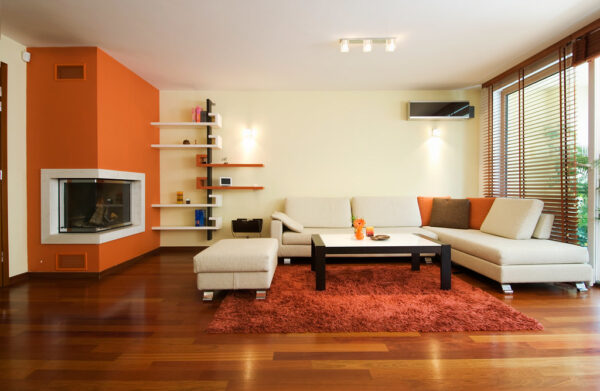
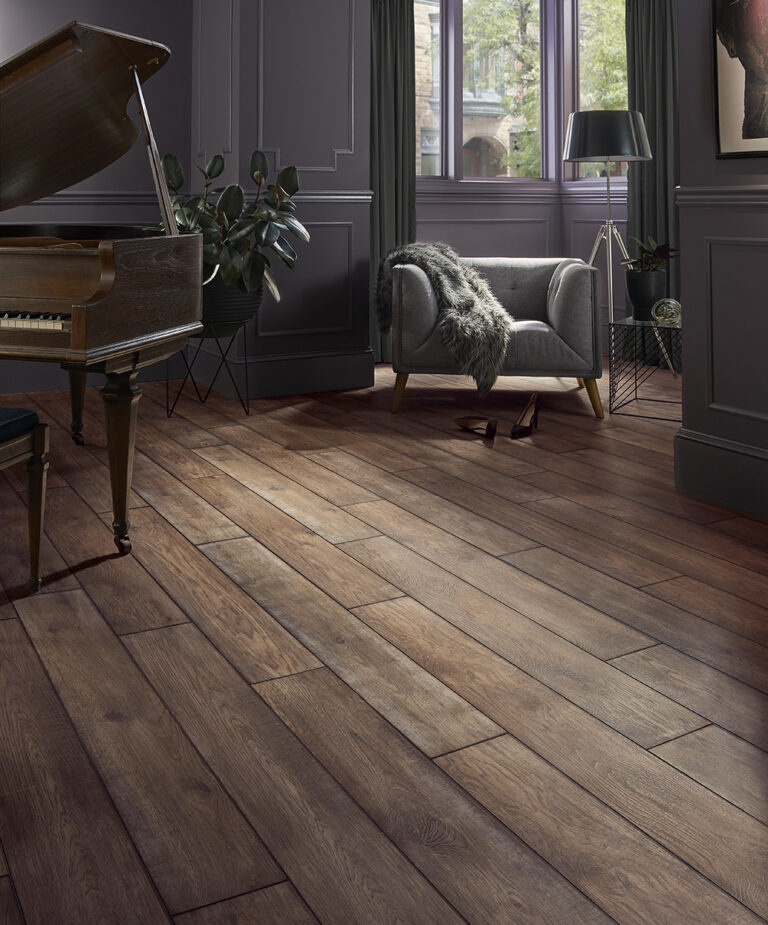
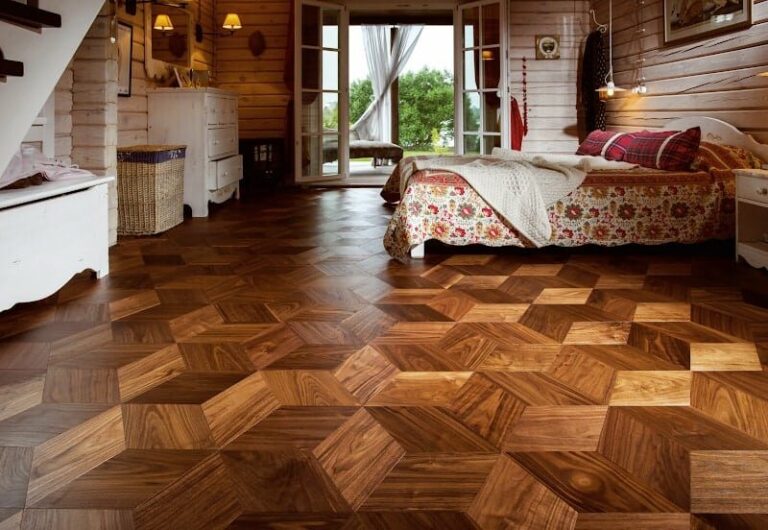
Hardwood is elegant and unique, each piece with its own grain. Choices like walnut, maple, or oak add a special touch that gets better with time.
Vinyl looks like wood and is made to be realistic. It’s cheaper but doesn’t change or age like real wood.
Design Versatility and Color Options
Vinyl is flexible in design and color, offering options from gray oak to stone-look styles. It’s great for matching trends or trying new styles.
Hardwood has fewer color choices but offers rich stained wood that is unmatched. It can be sanded to change look as styles change.
Texture and Finish Differences
Hardwood has a natural texture, with finishes like matte or glossy. Each finish gives a different feel.
Vinyl has textured surfaces too, like hand-scraped effects. It’s not the same as real wood but comes close. Vinyl finishes last longer without needing re-coating.
Want to stay ahead of current design trends?
- Check out our Hardwood Flooring Trends for 2025 to see what styles are rising in popularity.
- Or explore the latest in Vinyl Flooring Trends for 2025 to discover what’s hot in the world of LVP and more.
Durability and Maintenance: Which Flooring Lasts Longer?
Floors take a lot of wear from people, furniture, pets, and spills. When choosing vinyl or hardwood, many think about how long they last and how easy they are to clean.
Scratch and Dent Resistance
Vinyl floors, especially rigid core LVP, are very durable. They resist scratches, scuffs, and dents better than most wood floors. This makes them ideal for homes with kids and pets — you won’t worry much if something drops.
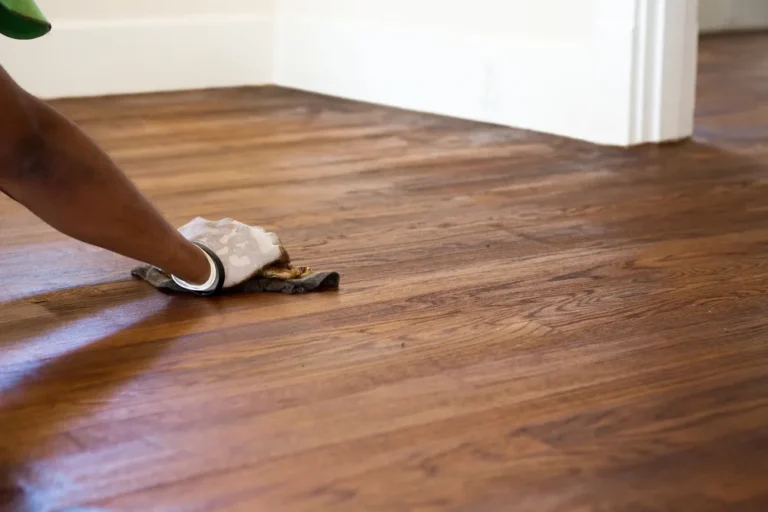
Hardwood is strong but can get surface damage. Soft woods like pine or fir can dent easily, and even hard woods like oak or maple can scratch. But real wood can be sanded and restored, unlike vinyl.
Water and Moisture Tolerance
Vinyl flooring is waterproof, perfect for kitchens, bathrooms, and basements. It doesn’t swell or stain from water. It’s easy to clean without worrying about water damage.
Hardwood doesn’t handle moisture well. Even small spills can cause issues if not cleaned quickly. It’s best to avoid hardwood in wet areas unless it’s engineered wood with good sealing.
Handling Pets and Heavy Traffic
For homes with pets or lots of foot traffic, vinyl is a good choice. It’s strong against scratches and messes and is quieter to walk on.
Hardwood can handle traffic but might show wear sooner, especially in busy areas. However, you can refinish hardwood to make it look new again, which isn’t possible with vinyl.
Comfort and Feel Underfoot
Flooring isn’t just about looks — how it feels under your feet daily matters, especially in busy areas like living rooms, bedrooms, and kitchens. Here’s how vinyl and hardwood compare in softness, warmth, and sound.
Warmth and Softness
Vinyl flooring is softer and more forgiving than hardwood because of its layers. Many vinyl planks have built-in padding or can be placed over a soft underlayer, making them comfy to stand on for a long time. They also feel warmer than tile or stone, but not as warm as real wood in heated spaces.
Hardwood floors feel solid and firm. While not as soft as vinyl, real wood has a natural warmth — especially with heated subfloors or in insulated homes. It feels sturdy, which some people like for its lasting feel and quality.
Sound Absorption and Noise Levels
Vinyl is usually quieter. Its softer surface absorbs noise, making it good for homes with kids, pets, or where noise matters. Some products even have sound-dampening backing.
Hardwood can make sounds louder. Footsteps or dropped items can echo — especially in open spaces without rugs. You can reduce this with area rugs or sound-dampening layers, but hardwood generally carries more noise.
Walking Experience: Vinyl vs. Hardwood
Walking on vinyl feels softer and cushioned, which many find comfy for daily use — especially in areas like kitchens. It’s also slip-resistant and easier on joints.
Hardwood gives a firmer, traditional feel. Some love the solid wood feel underfoot, while others may find it hard, especially barefoot or standing long. It depends on personal preference and room use.

Installation: DIY or Pro Needed?
Choosing between vinyl and hardwood mainly depends on how hard the installation is, how long it will take, and if you need to hire someone. The installation and cost can change a lot based on the flooring type and your skills.
Difficulty Levels for Each Type
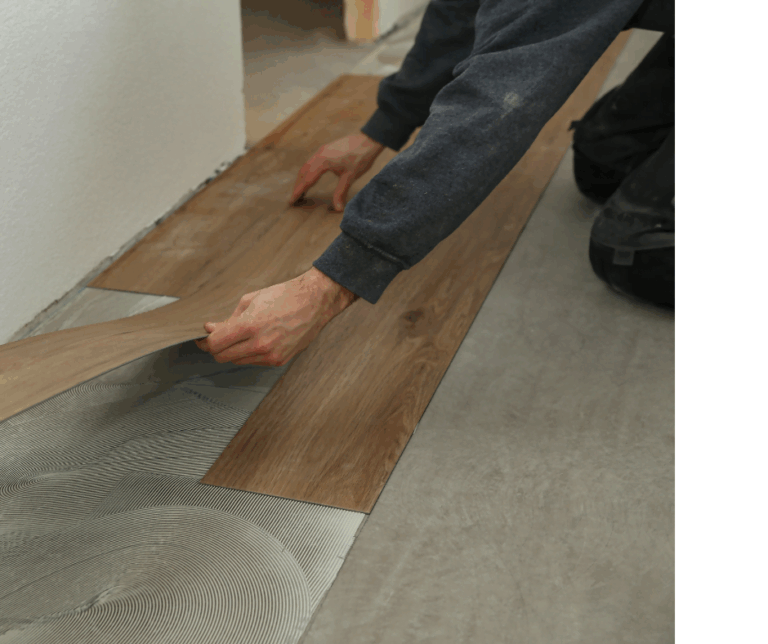
Vinyl flooring, especially click-lock LVP, is made for easy DIY projects. It’s light and easy to cut, often just placed over the subfloor without nails or glue. With basic tools and some patience, you can lay a vinyl floor over a weekend.
Hardwood takes more work. Solid wood needs careful nailing, stapling, or gluing. Even engineered hardwood with a click-lock system is heavier and tougher than vinyl, better for skilled DIYers or hiring a pro.
Installation Time and Tools Required
Vinyl installs fast — fewer tools, quick cuts, and no glue needed (unless it’s glue-down sheet vinyl). It’s perfect for a quick floor update with little hassle.
Hardwood needs more time and prep. You’ll need saws, nailers or glue, and maybe underlayment or moisture barriers. It also needs more measuring and time to adjust before laying the planks.
Subfloor Preparation Differences
Vinyl can go over many surfaces — as long as the subfloor is flat, dry, and clean, it’s okay. It can even go over old tile or wood floors.
Hardwood is pickier. The subfloor must be perfectly level, strong, and dry. Any problems can affect the end result, making prep work more important and time-consuming.
Vinyl vs. Hardwood Installation Comparison Table
| Installation Factor | Vinyl Flooring | Hardwood Flooring |
|---|---|---|
| DIY-Friendly | ✅ Very beginner-friendly | ⚠️ Moderate to difficult |
| Tools Required | Utility knife, spacers, tapping block | Nail gun, miter saw, adhesive tools |
| Installation Time | 1–2 days (typical room) | 2–4 days or more |
| Subfloor Flexibility | ✅ Can install over most subfloors | ❌ Requires clean, level, dry subfloor |
| Acclimation Needed | ⚠️ Sometimes recommended | ✅ Required (48–72 hours) |
| Professional Help | Optional for most installations | Often recommended or required |
| Average Cost (DIY) | $1.50 – $3.50 per sq ft (materials + tools) | $3 – $6 per sq ft (materials + tools) |
| Average Cost (Pro Install) | $3 – $5 per sq ft installed | $6 – $12 per sq ft installed |
Budget Breakdown: Cost Comparison
When you plan a flooring project, think about the cost, including installation and long-term value. Vinyl and hardwood have different prices and benefits based on what you need.
Material Costs Per Square Foot
Vinyl is often cheaper. Basic LVP is about $2–$4 per sq ft, while better versions can be $5 or $6. Hardwood starts around $5–$8 and can be $12–$20 for special types.
Read our full Vinyl Flooring Cost Guide for details by type, brand, and room.
Installation Costs (DIY vs. Professional)
Vinyl is easy to install yourself, saving money on labor. Hiring a pro is less costly because it’s simpler. Hardwood is harder to install and usually needs a pro, adding to the cost.
For a detailed look at hardwood installation costs, check out our Hardwood Flooring Cost Guide.
Long-Term Value and Resale Impact
Hardwood offers great long-term value and increases home resale potential. Buyers often want hardwood and pay more for it. Vinyl is nice and useful, with high-end options adding some value.
Cost Comparison: Vinyl vs. Hardwood Flooring
| Cost Factor | Vinyl Flooring | Hardwood Flooring |
|---|---|---|
| Material Cost (per sq ft) | $2 – $6 | $5 – $20 |
| DIY Installation | ✅ Easy (minimal tools, fast) | ⚠️ Moderate to Difficult |
| Professional Install Cost | $3 – $5 per sq ft | $6 – $12 per sq ft |
| Total Installed Cost (avg.) | $5 – $10 per sq ft | $10 – $30 per sq ft |
| Lifespan | 10–20 years | 30–100+ years |
| Refinishing Option | ❌ Not refinishable | ✅ Can be refinished multiple times |
| Resale Value | ⚠️ Moderate impact | ✅ High resale appeal |
| Long-Term Investment | ✅ Great for budget-conscious homes | ✅ Ideal for premium upgrades |
Environmental Impact and Sustainability
When making your home eco-friendly, think about more than looks and price. Vinyl and hardwood affect the environment in different ways, like how they are made and their recyclability.
Sourcing and Eco-Friendliness
Hardwood is a natural choice if it’s sourced responsibly. Check for FSC or PEFC labels to ensure it’s from sustainable forests. Engineered hardwood uses less wood, making it efficient.
Vinyl is made from PVC, a petroleum product with a big carbon footprint. Some brands use recycled materials and greener methods, so researching is wise.
VOC Emissions and Indoor Air Quality
Vinyl can release VOCs, affecting indoor air. Many brands now offer low-VOC or FloorScore options for better air quality.
Hardwood has fewer VOCs, especially with low-VOC finishes. It’s hypoallergenic and good for those who are sensitive to pollutants.
Recyclability and Life-Cycle Impact
Hardwood lasts a long time and is good for recycling. It can last over 100 years and be refinished, reducing waste. It can be reused or composted at the end of its life.
Vinyl is not biodegradable and is hard to recycle, often ending up in landfills for many years. Some companies are working on recycling systems, but they’re not common yet.
Expert Tips When Choosing Between Vinyl and Hardwood
Choosing the right floor is not just about looks—it’s about what suits your home and life. Many people make mistakes they regret later.
Avoid These Common Pitfalls
Remember to check the subfloor. Vinyl is flexible, but hardwood needs a solid base. Skipping this can lead to creaks or gaps. Don’t choose only for style; consider strength, comfort, and moisture handling. Some floors need more care; hardwood may require attention every decade, while vinyl is easy but can’t be redone. Know what care your floor needs.
Smart Tips from the Pros
Think about how the floor fits your life. Have pets or kids? Busy areas? Vinyl might be best for easy care. Hardwood is ideal where style and home value are important. If unsure, visit showrooms or get samples to help decide. Consider future plans: if selling your home soon, hardwood can add value and attract buyers.
The best floor isn’t always the most expensive—it’s the one that combines beauty, function, and durability for your needs.
Need Help Deciding Between Vinyl and Hardwood Flooring?
You’ve learned about the main differences between vinyl and hardwood — like cost, comfort, durability, and design. Now, you can choose the best floor. Our local flooring experts are here to help if you need it.
We provide personalized product recommendations, subfloor checks, and expert installation of vinyl, solid hardwood, engineered wood, hardwood stairs, and more. Whether you like the waterproof ease of vinyl or the timeless beauty of hardwood, we’ll help you find the right floor for your home, lifestyle, and budget.
Click here to schedule your free in-home consultation and let’s find the perfect floor for your space.